OTTAWA ONCE BUILT A TRANSIT SYSTEM THE WORLD ADMIRED. THE NEXT CHAPTER IS ABOUT RELIABILITY.
From the Transitway to the O-Train, Ottawa has a proud transit history. But after knocking on 4,000+ doors, I have been hearing the same frustration from residents: they can't depend on the system. Here's what we can learn — and what the next chapter should look like.
There was a time when Ottawa was considered a transit leader.
Imagine Ottawa in the 1980s.
The city was growing rapidly. Traffic was increasing. Communities were expanding farther from the downtown core. City leaders faced a choice: continue widening roads or find a smarter way to move people.
They chose innovation.
Instead of building more highways, Ottawa built the Transitway — a network of dedicated bus lanes that allowed buses to bypass congestion and move people efficiently across the city.
It was a bold idea.
And it worked.
The Transitway became one of the most successful Bus Rapid Transit systems in North America. Cities from around the world came to study Ottawa's approach. It moved large numbers of people quickly, efficiently, and at a fraction of the cost of many rail systems.
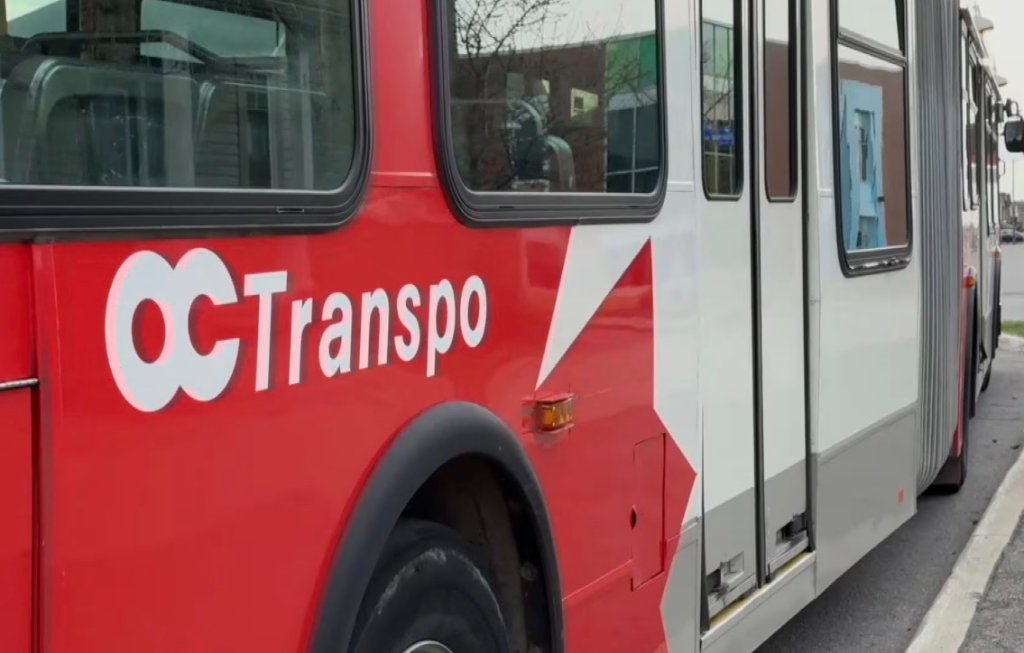
By 2010, OC Transpo carried nearly 100 million passenger trips annually, making Ottawa one of Canada's transit success stories.
Ottawa wasn't following other cities.
Other cities were learning from Ottawa.
The Next Chapter
As Ottawa continued to grow, transit planners recognized that buses alone would eventually reach their limits.
The city made another ambitious decision: build a modern Light Rail Transit system.
The vision was compelling.
Move more people.
Reduce congestion.
Support future growth.
Create a transit network capable of serving a city of more than one million residents.
Line 1 opened in 2019.
Lines 2 and 4 followed in 2025.
The goal was never simply to build trains.
The goal was to build a transit system that worked for residents.
The Reality Residents Experience Today
Over the past several months, while knocking on more than 4,000 doors across Stittsville, I have heard many stories about transit.
The stories are different.
The frustration is often the same.
Students spending hours each day commuting to university.
Workers leaving home earlier and earlier because they cannot depend on their connection.
Parents trying to balance work and family while navigating long and unpredictable travel times.
Residents waiting in winter weather wondering whether their bus will arrive.
Many people tell me they would happily take transit more often if they could trust it.
That's an important point.
Most residents are not asking for perfection.
They are asking for reliability.
The Challenge Facing Ottawa
Ottawa's transit challenge today is not a lack of infrastructure.
We have buses.
We have rail.
We have stations.
We have park-and-rides.
The challenge is ensuring the entire system works together reliably and consistently.
Transit succeeds when it is:
Frequent
Reliable
Convenient
Connected
When transit becomes unpredictable, people look for alternatives.
For many residents, that means driving.
More cars on the road mean more congestion.
More congestion creates longer commutes.
And longer commutes affect quality of life.
What We Can Learn
The success of the original Transitway offers an important lesson.
Great transit systems focus on the rider experience.
People choose transit when it is dependable.
When they know it will get them where they need to go.
When they can trust it with their job, their education, their appointments, and their family commitments.
The true measure of a transit system is not the number of buses, tracks, or stations.
It is whether people can depend on it.
Writing the Next Chapter
Ottawa has a proud transit history.
From the innovation of the Transitway to the expansion of the O-Train network, our city has repeatedly demonstrated a willingness to think big and plan for the future.
The next chapter should focus on reliability, accountability, and rider confidence.
Because transit is about more than transportation.
It's about connecting people to opportunity.
It's about helping students reach classrooms.
It's about helping workers reach jobs.
It's about helping families spend less time commuting and more time together.
Ottawa once built a transit system the world admired.
The challenge now is ensuring residents can once again feel confident choosing transit as part of their daily lives.
And that is a future worth building.
Sources & References
Ottawa Transitway History — https://en.wikipedia.org/wiki/Transitway_(Ottawa)
OC Transpo 2010 Annual Report (99.3 million passenger trips) — https://www.octranspo.com/images/files/reports/2010_annual_report.pdf
O-Train Confederation Line (Line 1) — https://en.wikipedia.org/wiki/Confederation_Line
O-Train Trillium Line (Line 2) and Airport Link (Line 4) — https://en.wikipedia.org/wiki/Trillium_Line
City of Ottawa Transportation Master Plan — https://ottawa.ca/en/planning-development-and-construction/official-plan-and-master-plans/transportation-master-plan
OC Transpo Performance and Ridership Reports — https://www.octranspo.com/en/about-us/transparency/kpis/
Sheetal Narwal
Candidate for Ottawa City Councillor – Ward 6, Stittsville
Continue exploring Sheetal's platform: